Oct 7, 2025
Supply Chain Business: The Backbone of Global Commerce
In today’s interconnected world, the Logistics business is the invisible engine that drives global trade, manufacturing, and retail. Every product we buy — from smartphones to sneakers — passes through a complex network of suppliers, manufacturers, transporters, and retailers before it reaches our hands. This intricate system is known as the supply chain, and companies that specialize in optimizing, managing, or transforming this system are part of the supply chain business.
Over the last few decades, this industry has evolved from simple logistics and transportation to a highly data-driven, technology-powered ecosystem that determines the efficiency and profitability of businesses across the globe. In this article, we’ll break down how the supply chain business works, why it’s vital, the key components that make it function, and how emerging technologies are reshaping its future.
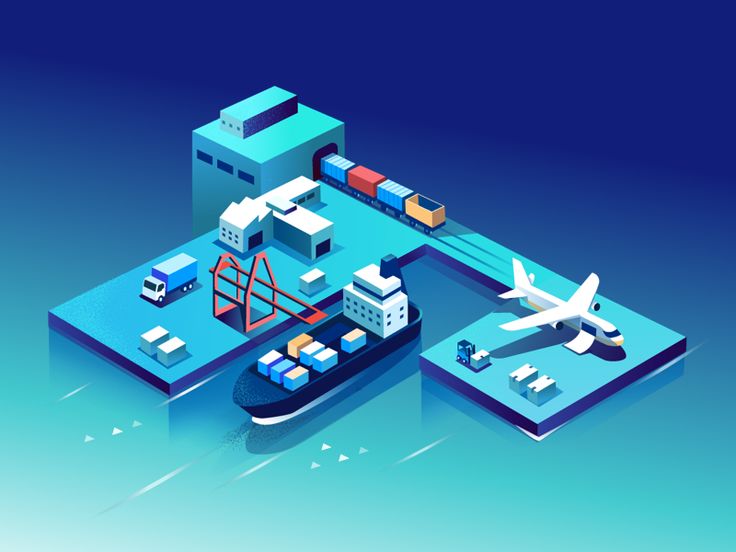
Understanding the Supply Chain Business
At its core, the supply chain business involves the movement of goods and services from raw material suppliers to end consumers. It covers every stage of production and distribution — sourcing raw materials, manufacturing, warehousing, transportation, inventory management, and final delivery.
The goal of this business is simple: to deliver the right product, at the right time, in the right quantity, and at the right cost. However, achieving this balance requires careful coordination between multiple stakeholders and real-time decision-making.
For example, imagine a smartphone company. It sources chips from Taiwan, glass from Japan, batteries from China, and designs from the U.S. The company then assembles everything in one location and ships it worldwide. Managing this entire operation — from procurement to delivery — is the essence of supply chain business.
Core elements of the business
The supply chain business can be divided into five major components, each playing a crucial role in ensuring smooth operations.
1. Procurement and Sourcing
This is where it all begins. Companies must identify and secure reliable suppliers for raw materials or components. The success of the supply chain business depends heavily on the strength and consistency of supplier relationships. Poor sourcing decisions can lead to delays, increased costs, and quality issues.
Modern companies use data analytics, AI, and supplier management software to evaluate vendor performance and negotiate better deals. Strategic sourcing also involves assessing geopolitical risks and ensuring ethical and sustainable procurement.
2. Production and Manufacturing
Once materials are sourced, the next stage is manufacturing. Here, companies focus on transforming inputs into finished goods efficiently. The supply chain business must balance production speed, cost, and quality — all while minimizing waste.
Manufacturers today use lean manufacturing, automation, and robotics to optimize this stage. Real-time production tracking and predictive maintenance help avoid costly downtime and ensure smooth operations.
3. Warehousing and Inventory Management
After production, goods must be stored before being shipped to wholesalers, retailers, or customers. Effective warehousing and inventory management are critical aspects of the logistics business. Too much inventory increases costs, while too little can result in shortages.
Smart warehouses now use robotics, barcode scanning, and IoT devices to track goods automatically. Inventory management systems (IMS) ensure that the right amount of stock is always available, and products are moved efficiently through the network.
4. Transportation and Logistics
Transportation forms the backbone of the distribution business. It involves moving goods through air, land, or sea using trucks, trains, cargo ships, or airplanes. The challenge lies in minimizing delivery times and costs while ensuring reliability.
Companies invest heavily in route optimization, fleet management systems, and real-time tracking technologies. With global trade expanding, international logistics partners like DHL, FedEx, and Maersk play a crucial role in connecting businesses across continents.
5. Distribution and Customer Fulfillment
The final step of the supply chain business is delivering the finished product to customers. Whether through retail stores or direct-to-consumer e-commerce, this stage defines customer satisfaction.
Efficient last-mile delivery, responsive customer service, and accurate order tracking make the difference between success and failure. The rise of e-commerce giants like Amazon has completely redefined customer expectations — making speed and transparency key competitive advantages.
Why the Supply Chain Business Matters
The supply chain business is not just about moving goods; it’s about creating value. A well-optimized supply chain improves efficiency, reduces operational costs, enhances customer satisfaction, and gives businesses a significant edge in competitive markets.
Here’s why it’s so critical:
- Cost Reduction: By streamlining procurement, manufacturing, and logistics, companies can cut unnecessary expenses and boost profit margins.
- Speed and Efficiency: Optimized supply chains enable faster time-to-market, helping businesses stay ahead of competitors.
- Risk Management: Strong supply chain systems help companies navigate disruptions such as political instability, pandemics, or natural disasters.
- Sustainability: Many modern supply chain businesses focus on reducing carbon footprints and adopting green logistics.
- Global Reach: A well-connected supply chain allows even small companies to operate on a global scale, accessing markets worldwide.
In short, the supply chain business acts as the foundation of modern commerce, without which industries would collapse under inefficiency and uncertainty.
Challenges in the Supply Chain Business
Despite its importance, the supply chain business faces numerous challenges that test its resilience and adaptability.
- Supply Chain Disruptions: Events like the COVID-19 pandemic, geopolitical tensions, or shipping crises have exposed the fragility of global supply networks.
- Rising Costs: Inflation, fuel price hikes, and labor shortages increase operational expenses.
- Demand Volatility: Rapid changes in consumer behavior make demand forecasting increasingly difficult.
- Sustainability Pressure: Companies face growing pressure to minimize environmental impact and source ethically.
- Cybersecurity Threats: As digital systems dominate supply chains, data breaches and cyberattacks pose serious risks.
Overcoming these challenges requires strategic planning, diversification of suppliers, and adoption of advanced technologies.
Technology Transforming the Supply Chain Business
Technology is the driving force behind the modern supply chain business. Companies are investing in digital transformation to gain better visibility, efficiency, and flexibility. Here are some technologies reshaping the industry:
- Artificial Intelligence (AI): AI algorithms optimize routes, forecast demand, and automate decision-making, making supply chains more agile and intelligent.
- Blockchain: Enhances transparency by recording every transaction and movement securely across the chain, reducing fraud and errors.
- Internet of Things (IoT): Sensors in warehouses, vehicles, and packages provide real-time tracking and data insights.
- Automation and Robotics: From smart warehouses to autonomous delivery drones, automation is reducing labor dependency and increasing accuracy.
- Big Data Analytics: Helps companies analyze massive data sets to identify inefficiencies, predict trends, and improve supply chain performance.
Together, these innovations are turning the supply chain business into a smarter, faster, and more sustainable ecosystem.
The Future of the Supply Chain Business
The future of the supply chain business will be shaped by flexibility, sustainability, and digital integration. Businesses will prioritize resilience — building supply chains that can adapt to sudden disruptions without breaking.
Key future trends include:
- Nearshoring and Reshoring: Companies moving production closer to home markets to reduce dependency on foreign suppliers.
- Sustainable Logistics: Electric trucks, renewable energy in warehouses, and eco-friendly packaging.
- AI-Driven Decision Making: Predictive analytics enabling smarter demand planning and inventory control.
- Hyper-Personalized Delivery: Tailoring delivery experiences based on customer preferences.
Ultimately, the companies that succeed will be those that view their supply chains not as costs but as strategic assets.
Conclusion
The supply chain business is the heart of modern commerce — a vast, intricate network that keeps the world’s economy running. It connects continents, fuels industries, and determines how efficiently goods move from creation to consumption.
As globalization accelerates and technology advances, the supply chain business is entering a new era — one defined by innovation, sustainability, and resilience. Whether it’s a multinational corporation or a small startup, mastering supply chain efficiency will be the key to long-term success.
In essence, the supply chain business isn’t just about logistics or operations; it’s about strategy, intelligence, and adaptability — the traits that define the most powerful businesses of tomorrow.
More Details