Oct 17, 2025
Why everybody wants to learn digital marketing
Why Everybody Wants to Learn Digital Marketing
The digital age has transformed the way businesses operate, communicate, and grow. From multinational corporations to small local startups, everyone is now dependent on digital platforms to reach, engage, and convert their target audience. This massive shift has created a powerful wave of opportunity, pushing people from all backgrounds—students, entrepreneurs, freelancers, and professionals—to explore the world of digital marketing. But the real question is: Why is digital marketing such a magnetic skill today? Or more specifically, why everybody wants to learn digital marketing? The answer goes far beyond just earning potential—it’s about relevance, adaptability, and future-proofing one’s career in an ever-evolving world.
The Rise of Digital Dominance
Before understanding why everybody wants to learn digital marketing, we need to look at the global transition towards digitalization. Over the last decade, consumer behavior has completely transformed. People now spend a significant portion of their day online—scrolling through social media, shopping, streaming, reading news, and searching for solutions to their daily problems.
According to a 2025 report by DataReportal, the average person spends over six hours a day on the internet. This means businesses have no choice but to go where their customers are—online. The need for skilled digital marketers who can effectively capture, analyze, and engage audiences through digital channels has skyrocketed.
Every click, search, and share represents valuable data. The ability to use this data to craft marketing strategies that drive conversions is what makes digital marketing one of the most in-demand skills of our time.
Understanding Why Everybody Wants to Learn Digital Marketing
There are many reasons why digital marketing attracts people from different professions and educational backgrounds. Let’s explore them in depth.
1. Unlimited Career Opportunities
One of the primary reasons why everybody wants to learn digital marketing is the sheer diversity of career paths it offers. Unlike traditional fields, digital marketing doesn’t confine you to a single role. Whether you’re passionate about creativity, analytics, or strategy, there’s a role for you.
You can specialize as:
- A SEO specialist who improves website rankings on search engines.
- A content marketer who crafts compelling blogs, videos, and posts.
- A social media strategist who manages brand engagement.
- A PPC expert who drives conversions through paid campaigns.
- Or a data analyst who interprets marketing metrics to guide business decisions.
The field is so broad that professionals can switch roles or combine multiple skills to build a unique career path.
2. High Demand and Excellent Salaries
Companies are aggressively hiring skilled digital marketers because every brand wants online visibility. From startups to global enterprises, businesses are allocating more budget to digital advertising. According to Statista, global digital ad spending surpassed $600 billion in 2024 and is expected to keep rising.
With such high demand, salaries in digital marketing are also competitive. Skilled professionals—especially those who can demonstrate proven results—command impressive pay packages. In addition, freelancers and consultants can earn even more by working with multiple clients simultaneously.
This economic opportunity is one of the strongest reasons behind why everybody wants to learn digital marketing.
3. Accessibility and Low Entry Barriers
Unlike medicine, engineering, or law, digital marketing doesn’t require years of formal education. Anyone with an internet connection, curiosity, and willingness to learn can start developing digital marketing skills.
There are thousands of free and paid resources online—courses, YouTube tutorials, blogs, and certifications offered by Google, Meta, and HubSpot. This accessibility makes it possible for anyone to upskill and start a new career within months.
The barrier to entry is low, but the growth potential is massive—making it an attractive career choice, especially for young people looking for fast, practical, and profitable skill sets.
4. Flexibility and Remote Work Lifestyle
The modern workforce is evolving. People no longer want rigid 9-to-5 office routines. They want flexibility, independence, and control over their time. Digital marketing fits perfectly into this new lifestyle.
Since most tasks—campaign management, content creation, SEO optimization, analytics, etc.—can be done online, digital marketers can work from anywhere in the world. This has led to a booming freelance economy where thousands of marketers are earning from clients across the globe without ever stepping into an office.
This location independence is another reason why everybody wants to learn digital marketing—it aligns perfectly with the remote work revolution.
5. The Entrepreneurial Advantage
Entrepreneurs are among the biggest beneficiaries of digital marketing knowledge. In the past, business owners had to rely on advertising agencies to promote their products. Today, understanding digital marketing gives entrepreneurs direct control over their brand’s online growth.
They can:
- Build and optimize their own website.
- Run cost-effective ad campaigns.
- Analyze consumer behavior through data.
- Grow a loyal community on social media.
In short, mastering digital marketing helps entrepreneurs reduce dependency on third parties, save money, and scale their business intelligently. That’s why aspiring entrepreneurs are eager to learn it—it’s one of the most valuable business skills of the 21st century.
6. Measurable Results and Real-Time Data
Unlike traditional marketing, where results were often delayed or hard to measure, digital marketing provides instant insights. You can track every impression, click, and conversion in real time.
Tools like Google Analytics, Facebook Ads Manager, and HubSpot allow marketers to analyze campaign performance instantly and make data-driven decisions. This ability to measure ROI precisely has made digital marketing the preferred strategy for most businesses.
Professionals and entrepreneurs alike find this transparency empowering—it gives them clarity and control, which explains why everybody wants to learn digital marketing today.
7. Constant Innovation and Creativity
Digital marketing is not static; it evolves every few months. New platforms, algorithms, and technologies keep emerging, forcing marketers to stay updated and creative. For people who thrive on innovation, experimentation, and challenges, this is an exciting field.
From creating viral campaigns to leveraging AI tools for automation, digital marketing blends creativity with technology in ways few other industries can. It’s a career that rewards curiosity and innovation—a big reason why creative individuals gravitate toward it.
8. A Skill That Future-Proofs Your Career
As artificial intelligence and automation reshape the job market, many traditional roles are becoming obsolete. However, digital marketing remains resistant to automation because it requires strategic thinking, emotional intelligence, and creativity—skills machines can’t replicate easily.
Learning digital marketing ensures that your career remains relevant regardless of industry changes. Whether you work in fashion, real estate, education, healthcare, or finance, digital marketing expertise adds value everywhere.
This sense of future security explains another major aspect of why everybody wants to learn digital marketing—it’s a hedge against professional uncertainty.
9. Global Opportunities and Networking
The internet connects billions of people, and digital marketing operates in this global ecosystem. Skilled professionals can collaborate with clients and companies worldwide. With remote work platforms like Upwork, Fiverr, and LinkedIn, global networking has become easier than ever.
For ambitious professionals who want to build international careers, digital marketing offers limitless exposure and growth potential.
10. Empowering Personal Brands
In today’s world, individuals are brands too. Whether you’re a student, freelancer, or entrepreneur, your online presence shapes how people perceive you. Learning digital marketing helps you craft and control your personal narrative.
You can grow your social media following, build a website, and position yourself as an authority in your field. That’s why even influencers, authors, and professionals outside traditional marketing fields invest time in learning it—it’s a tool for visibility and influence.
The Broader Impact of Digital Marketing Education
Now that we’ve explored why everybody wants to learn digital marketing, it’s important to understand the broader social and economic implications.
Digital marketing education isn’t just about promoting products—it’s transforming economies. It empowers small businesses, fuels innovation, and bridges the employment gap for millions of people who previously lacked access to global opportunities.
In countries like India, the Philippines, and Indonesia, where internet penetration is booming, digital marketing has created a new class of self-employed professionals. It’s driving entrepreneurship, financial independence, and digital literacy at an unprecedented rate.
Challenges Along the Way
Despite its popularity, digital marketing isn’t a shortcut to instant success. The competition is intense, algorithms change frequently, and what works today might fail tomorrow. To truly succeed, learners need persistence, adaptability, and a deep understanding of human behavior.
Those who expect quick results without putting in the effort often give up early. The best digital marketers are lifelong learners—they test, analyze, and evolve continuously.
So, while there are countless reasons why everybody wants to learn digital marketing, the real key lies in consistent practice and ongoing education.
The Future of Digital Marketing
The future of digital marketing is brighter than ever. Emerging technologies like artificial intelligence, augmented reality, and voice search are expanding the possibilities for brands to interact with audiences.
Personalization and data-driven storytelling are shaping the next era of marketing. As consumers demand more authentic and meaningful engagement, digital marketers will play a critical role in bridging the gap between technology and human emotion.
Those who master the fundamentals today will lead the industry tomorrow.
Conclusion
The world is shifting faster than ever, and digital marketing stands at the center of this transformation. It combines creativity, analytics, psychology, and strategy to drive real-world business results. That’s why students, entrepreneurs, freelancers, and even established professionals are drawn toward it—it offers freedom, flexibility, and an opportunity to shape the digital economy.
Ultimately, why everybody wants to learn digital marketing comes down to one simple truth: it’s not just a skill—it’s a gateway to independence, influence, and innovation. Whether you want to build a career, grow a business, or strengthen your personal brand, digital marketing gives you the tools to make it happen.
The digital world isn’t slowing down—and those who understand how to navigate it will always have the upper hand.
Would you like me to make this SEO-optimized with a meta description, slug, and internal/external link suggestions (like a real blog article ready for posting on WordPress or Medium)? That would make it more publish-ready.
More DetailsOct 17, 2025
Scope of digital marketing
Scope of Digital Marketing: Unlocking Opportunities in the Digital Era
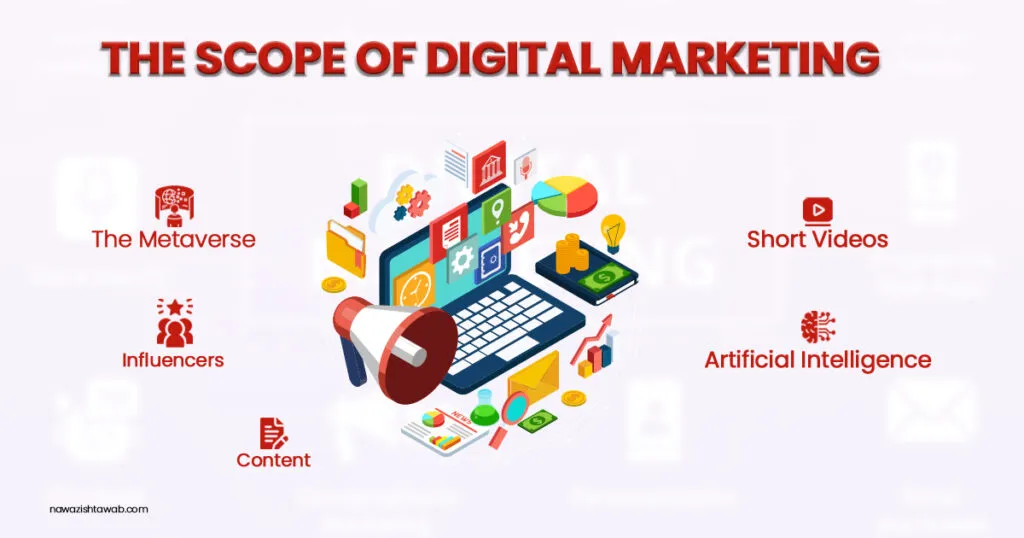
The scope of digital marketing is expanding rapidly as businesses embrace online strategies to reach their audiences. With the constant evolution of technology, digital marketing has become the heart of every brand’s communication and growth. It now covers SEO, social media, analytics, and customer engagement across multiple platforms.
What is Digital Marketing?
Digital marketing refers to promoting products or services through digital channels such as search engines, websites, emails, and social media. The scope of digital marketing includes all techniques that help businesses reach and interact with global audiences effectively. It focuses on creating strong brand visibility and long-term relationships with customers.
Why the Digital Marketing Industry is Booming
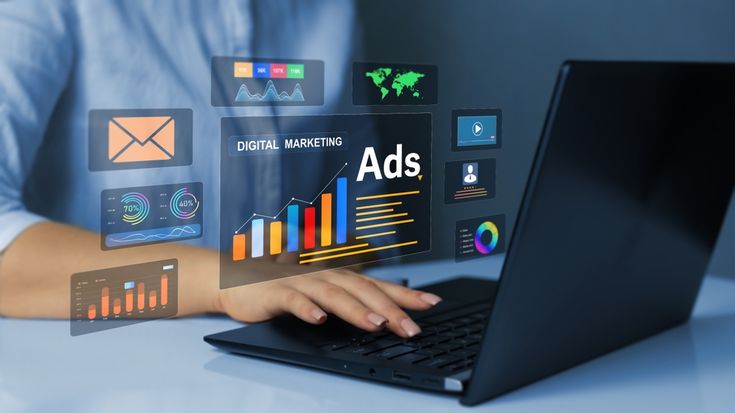
The rise of smartphones, social networks, and e-commerce has boosted the scope of digital marketing worldwide. More people are spending time online, giving brands countless ways to connect with potential customers. Unlike traditional marketing, digital campaigns are measurable and cost-effective. Businesses can track performance instantly and adjust strategies for better results.
Another reason for this growth is the accessibility of online advertising tools. Small and medium-sized companies can now compete with large corporations by using digital platforms to increase brand recognition and sales.
Key Components of Digital Marketing
1. Search Engine Optimization (SEO)
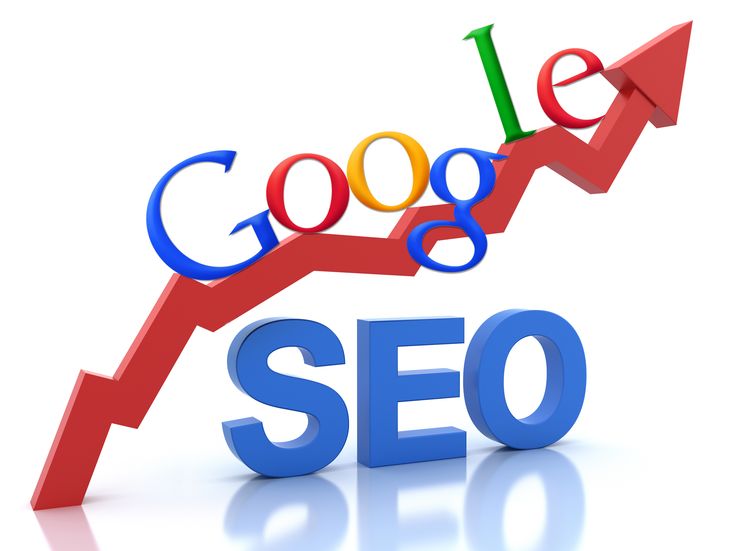
SEO is one of the most powerful parts of the scope of digital marketing. It helps websites rank higher on search engines, bringing in organic traffic. Brands use SEO to attract audiences actively searching for their products or services.
2. Social Media Marketing
Platforms such as Instagram, Facebook, LinkedIn, and Twitter allow businesses to connect directly with customers. Social media helps build brand trust, awareness, and engagement. It’s a vital part of the scope of digital marketing, promoting two-way communication.
3. Content Marketing
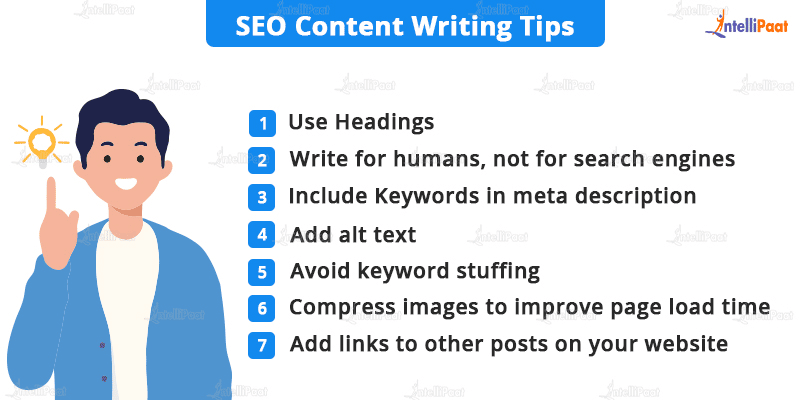
Content is at the core of all digital efforts. Blogs, videos, infographics, and podcasts share valuable information that attracts and retains customers. This creative form of marketing drives SEO and builds credibility for brands.
4. Email Marketing
Emails are still one of the most personal ways to connect with audiences. Personalized messages, newsletters, and offers help businesses maintain relationships and nurture leads efficiently.
5. Pay-Per-Click (PPC) Advertising
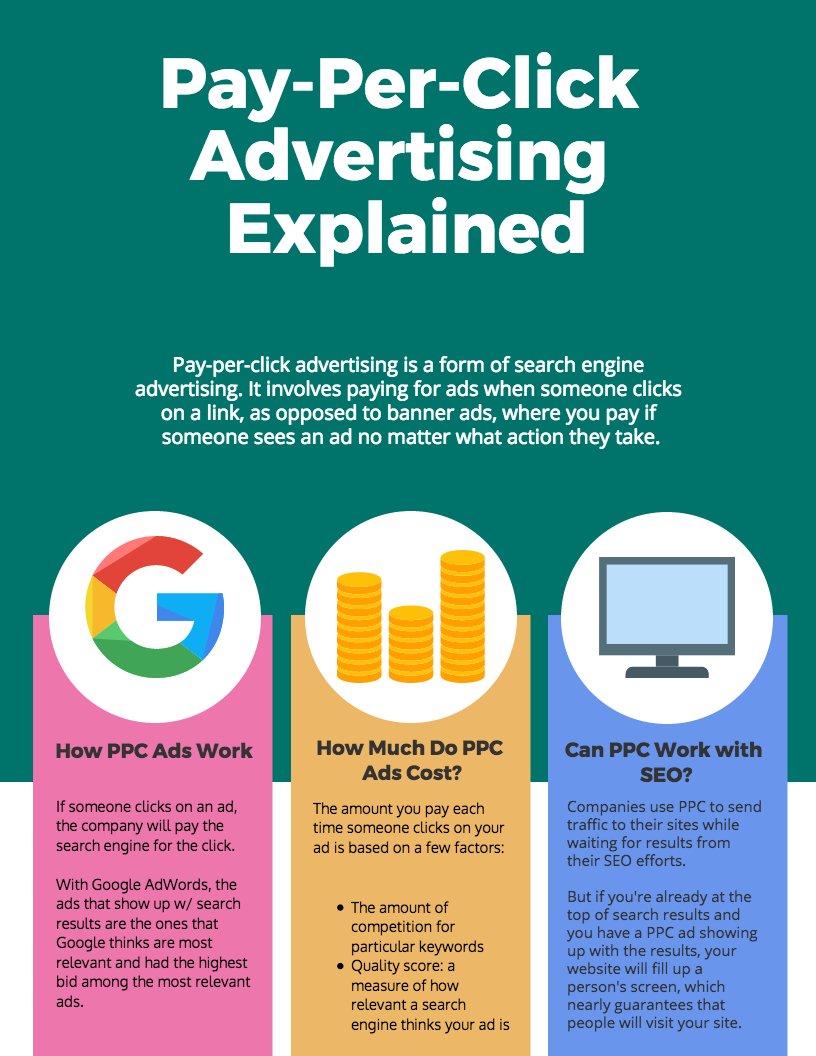
PPC allows companies to gain instant visibility through paid ads. Google Ads and Meta Ads help target specific customer segments, ensuring better ROI and higher conversion rates.
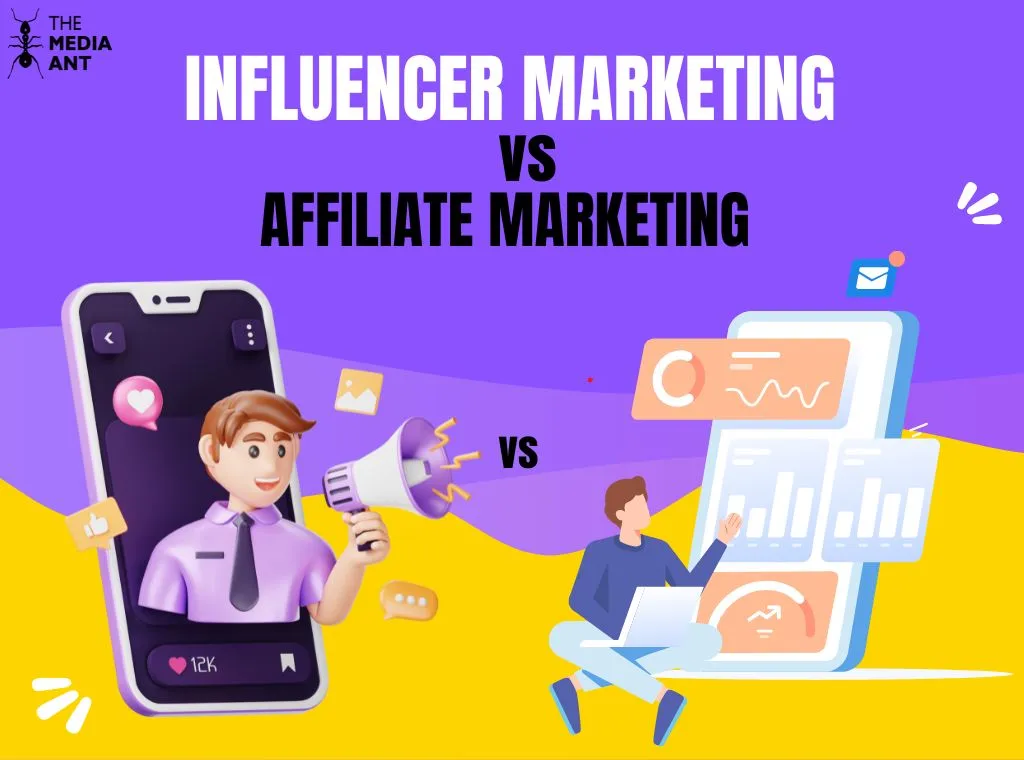
6. Influencer and Affiliate Marketing
Collaborating with influencers or affiliates allows brands to reach trusted audiences. These partnerships enhance authenticity and contribute to brand growth within the digital ecosystem.
Career Opportunities in Digital Marketing
The career opportunities in this field are vast and diverse. As companies move online, the demand for skilled professionals continues to grow. Roles like SEO specialist, content strategist, PPC expert, and social media manager are in high demand. The scope of digital marketing also benefits freelancers and entrepreneurs, offering flexible and high-paying opportunities.
Professionals with creativity, analytical thinking, and communication skills can thrive in this field. Continuous learning and staying updated with trends ensure long-term success.
The Future of Digital Marketing
The future looks promising with the integration of Artificial Intelligence, automation, and voice search technologies. These innovations are changing how businesses approach customers. AI helps personalize campaigns, analyze data faster, and predict customer behavior. Voice search and chatbots are creating new customer engagement channels, enhancing the overall user experience.
The scope of digital marketing will continue to expand as emerging technologies reshape how brands interact with consumers.
Benefits for Businesses
Businesses gain numerous advantages from investing in digital marketing:
- Global reach and visibility
- Real-time performance tracking
- Better audience targeting
- Improved customer relationships
- Cost-effective advertising
Digital platforms enable brands to communicate directly with customers, receive feedback, and make informed decisions quickly.
Global Reach and Growing Potential
The internet has turned the world into a connected marketplace. With effective digital marketing strategies, even small businesses can target audiences across continents. This global approach has broadened business opportunities and opened new markets for expansion.
The scope of digital marketing now includes multi-language campaigns and localized strategies that appeal to diverse cultures and customer preferences.
Conclusion
The scope of digital marketing is continuously growing, shaping how brands connect, communicate, and convert audiences. It provides countless opportunities for businesses to build recognition, increase sales, and engage customers. As technology evolves, mastering digital marketing becomes essential for every business aiming for success in the modern world.
In summary, understanding the scope of digital marketing helps brands adapt, grow, and thrive in today’s competitive global economy.
More DetailsOct 8, 2025
SEO Optimization Techniques: The Complete Guide to Rank Higher in 2025
If you want your website to show up at the top of Google search results, you need to master SEO optimization techniques. SEO (Search Engine Optimization) isn’t just about stuffing keywords into articles anymore—it’s about understanding how search engines think, what your audience needs, and how to create content that satisfies both. In 2025, SEO has become a mix of smart strategy, technical precision, and creative execution.
In this guide, we’ll break down the most effective SEO optimization techniques that actually work today—covering on-page SEO, off-page SEO, and technical SEO, along with the latest trends shaping search visibility.
1. Start With Intent-Based Keyword Research
Every successful SEO strategy begins with understanding user intent. Keywords alone don’t guarantee traffic—what matters is why people search those terms.
There are three main types of intent:
- Informational – users want knowledge (e.g., “how SEO optimization techniques work”)
- Navigational – users look for a specific brand or page (e.g., “Ahrefs login”)
- Transactional – users are ready to act or buy (e.g., “best SEO tool for agencies”)
Use tools like Google Keyword Planner, Ahrefs, or SEMrush to find relevant keywords with balanced search volume and competition. Focus on long-tail keywords (e.g., “best SEO optimization techniques for beginners”)—they have lower competition and higher conversion rates.
2. On-Page SEO Optimization Techniques for Maximum Visibility
On-page SEO is about making every page search-engine friendly. Here are the essential SEO optimization techniques for on-page success:
a. Title Tags
Your title tag should include your primary keyword and attract clicks.
Example: “10 Proven SEO Optimization Techniques to Skyrocket Your Rankings.”
b. Meta Descriptions
Write clear, compelling descriptions that summarize your content in 150–160 characters. Include your target keyword naturally.
c. Significance of headings and sub-headings in SEO optimization techniques
Structure your article with H1, H2, and H3 tags. Use variations of your keyword in them. This not only improves readability but also helps Google understand your content hierarchy.
d. Keyword Placement
Place your main keyword within:
- The first 100 words
- At least one subheading
- The conclusion
But avoid keyword stuffing—it signals spam to Google.
e. Image Optimization
Compress images and include descriptive alt text with relevant keywords. Search engines can’t “see” images—they rely on alt text to understand what they represent.
3. High-Quality Content: The Core of Modern SEO Optimization Techniques
Google’s algorithm increasingly favors E-E-A-T—Experience, Expertise, Authoritativeness, and Trustworthiness. To rank well, your content should:
- Provide real value and practical insights.
- Be updated regularly to stay relevant.
- Cite credible sources or personal experience.
- Maintain clear structure and readability (short paragraphs, bullet points, and visuals).
Write for humans first, and optimize for search engines second. If your readers spend more time on your page, interact with your content, or share it, those engagement signals boost your ranking.
4. Internal Linking SEO Optimization Techniques
Internal links guide both users and search engines through your site. They help Google discover new pages and understand which ones are most important.
Here’s how to use this SEO optimization technique effectively:
- Link from high-authority pages to newer ones.
- Use descriptive anchor text (avoid “click here”).
- Keep navigation logical—each page should be reachable within three clicks.
Internal linking also reduces bounce rates and encourages visitors to explore more of your website.
5. Build Quality Backlinks
Backlinks—links from other sites to yours—remain one of Google’s strongest ranking signals. But quality matters more than quantity.
Effective backlink SEO optimization techniques include:
- Guest posting on reputable sites.
- Creating data-driven or original research content that earns natural links.
- Engaging in digital PR—press releases or collaborations that get you mentioned by authority sites.
- Broken link building—find broken links on other sites and suggest your page as a replacement.
Avoid buying backlinks or using link farms; Google’s algorithms are smart enough to detect manipulative link-building practices.
6. Optimize for Mobile and Page Speed
More than 60% of searches now come from mobile devices. If your site isn’t optimized for mobile, your rankings will suffer.
Run a mobile-friendly test using Google’s tools and ensure your website:
- Loads in under 3 seconds. (Example : SEO enhancing techniques)
- Has readable text without zooming.
- Features clickable buttons spaced properly.
Also, use tools like Google PageSpeed Insights or GTmetrix to measure your site’s performance. Compress images, use caching, and minimize JavaScript and CSS files to speed up loading times.
7. Master Technical SEO
Technical SEO deals with how search engines crawl and index your site. Even perfect content can fail to rank if your technical setup is weak.
Focus on:
- XML Sitemaps – help Google find your pages easily.
- Robots.txt – ensure it doesn’t block important pages.
- Canonical Tags – prevent duplicate content issues.
- HTTPS Security – Google prefers secure sites.
- Structured Data (Schema Markup) – helps Google display rich snippets (like ratings, FAQs, or event details).
When done correctly, these technical SEO optimization techniques create a strong foundation for long-term ranking stability.
8. Leverage User Experience (UX)
Search engines now analyze behavioral signals—how users interact with your site. A high bounce rate, poor design, or confusing layout can hurt your rankings.
Enhance user experience by:
- Keeping the layout clean and intuitive.
- Using readable fonts and adequate spacing.
- Adding engaging visuals, charts, and infographics.
- Making CTAs (calls-to-action) visible and relevant.
Remember, the longer users stay, the better your SEO metrics look.
9. Create Topic Clusters Instead of Isolated Pages
Modern SEO is moving from single keyword pages to topic clusters—a strategy where you create a “pillar page” covering a broad topic and link related subtopics to it.
For example:
- Pillar: SEO Optimization Techniques
- Cluster articles: On-page SEO tips, Backlink strategies, Keyword research tools, etc.
This structure signals to Google that your website covers a topic comprehensively, improving authority and ranking potential.
10. Track and Measure Your SEO Performance
No SEO optimization technique is complete without proper tracking. Use these tools:
- Google Analytics – to monitor traffic and engagement.
- Google Search Console – to see how your site appears in searches and detect indexing issues.
- Ahrefs / SEMrush – to track keyword rankings and backlinks.
Review metrics monthly. If something’s not working—low CTR, high bounce rate, or declining keyword positions—tweak your content and strategy accordingly.
11. Stay Updated with SEO Trends
SEO is dynamic—what works today might not work tomorrow. AI-driven search updates, voice search, and personalized results are reshaping how SEO works. Keep learning and adapting.
Some emerging SEO optimization techniques for 2025 include:
- Optimizing for voice search (use conversational keywords).
- Creating AI-friendly content (clear, structured answers).
- Leveraging video SEO through YouTube and embedded media.
- Prioritizing Core Web Vitals (page speed, stability, interactivity).
Final Thoughts
SEO is not about tricking Google—it’s about aligning with its mission: to deliver the best possible user experience. When you focus on relevance, quality, and performance, rankings naturally follow.
Mastering these SEO optimization techniques requires consistency, experimentation, and patience. But if you stick with them, you’ll build a website that not only ranks higher but also earns genuine trust from readers and customers alike.
More Details
Oct 7, 2025
Understanding the Fast-Moving Consumer Goods Industry
Here’s a 1000-word blog on “FMCG products”, written in the same clean, professional, and SEO-friendly format — the keyword “FMCG products” is used naturally (under 20 times) and not included in any subheadings.
Understanding FMCG Products and Their Core Characteristics
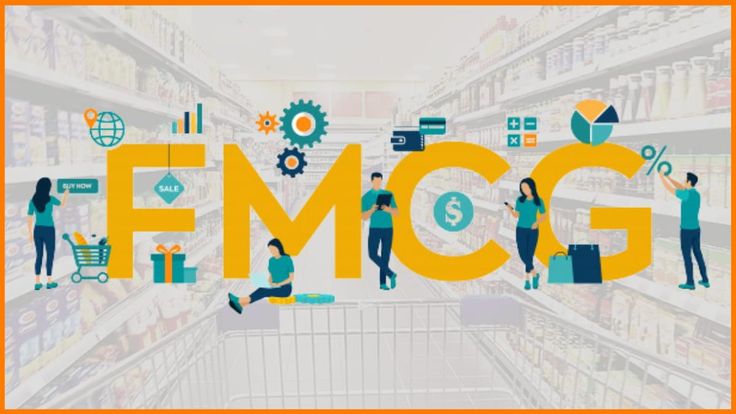
In every household, office, and store, there’s an invisible industry quietly powering daily life — the FMCG products sector. From toothpaste and soap to snacks and soft drinks, fast-moving consumer goods are the heartbeat of modern consumption. They’re the items we use, replace, and repurchase constantly without much thought, yet their global supply, production, and marketing drive a multi-trillion-dollar economy.
The world of fast-moving consumer goods (FMCG) is one of the most competitive, fast-paced, and influential industries on Earth. In this blog, we’ll explore what makes FMCG products so vital, how the sector operates, the challenges it faces, and the trends shaping its future.
Understanding the FMCG Industry
FMCG stands for Fast-Moving Consumer Goods — products that are sold quickly and at relatively low cost. These goods typically have a short shelf life and high turnover rate. Think of items like packaged foods, beverages, cleaning products, toiletries, and personal care essentials.
Unlike luxury or durable goods, FMCG products are designed for frequent consumption. Their success depends on brand recognition, pricing, and availability rather than long-term durability. Consumers buy them regularly, which makes the market large but fiercely competitive.
The beauty of this industry lies in its scale. A small change in demand or pricing can impact millions of consumers and ripple through global supply chains.
Major Categories of FMCG Products
The FMCG sector is vast, but it’s generally divided into a few key categories that define consumer spending habits worldwide.
Food and Beverages
This is the largest category, covering everything from snacks, cereals, and frozen foods to bottled water, juices, and soft drinks. Brands like Nestlé, Coca-Cola, and PepsiCo dominate this space with vast product portfolios and distribution networks.
Food and beverages are often driven by taste, brand loyalty, and affordability. However, the demand for healthier, organic, and sustainable options has significantly reshaped this category in recent years.
Personal Care and Hygiene
Shampoos, soaps, deodorants, skincare products, and cosmetics fall under this category. These items are daily-use essentials and account for a large share of the FMCG market.
Brands such as Unilever, L’Oréal, and Procter & Gamble lead globally, constantly innovating with new formulations and marketing strategies.
Household Care
Detergents, cleaning sprays, dishwashing liquids, and disinfectants belong here. The COVID-19 pandemic gave this category an enormous push as hygiene awareness skyrocketed.
Efficiency, eco-friendliness, and fragrance have become top factors influencing consumer choices in this segment.
Healthcare Essentials
Over-the-counter medicines, vitamins, and sanitary products also play an essential role. These are not prescription drugs but everyday wellness products that consumers rely on frequently.
What Makes This Industry So Powerful
The power of FMCG products lies in their consistency and demand predictability. No matter the state of the economy, consumers still buy toothpaste, snacks, and soaps. While they may switch brands or downsize packaging, the overall consumption rarely drops significantly.
Here’s what makes this industry a cornerstone of global commerce:
- High Volume, Low Margin Model: Profit margins per product are small, but the massive scale of sales compensates for it.
- Brand Loyalty: Strong branding and emotional marketing create lifelong customers.
- Distribution Networks: Companies that master logistics and retail reach dominate the market.
- Adaptability: The sector evolves quickly with consumer preferences — whether it’s vegan snacks, eco-friendly packaging, or digital marketing.
The stability and scalability of this industry make it an attractive space for investors and entrepreneurs alike.
How FMCG Companies Operate
Behind every item on a supermarket shelf lies a sophisticated process involving sourcing, production, packaging, logistics, and marketing.
- Product Development: Companies invest heavily in research to create products that meet consumer needs and market gaps.
- Manufacturing: Factories focus on mass production with strict quality and hygiene controls.
- Packaging: Design and sustainability are key — packaging must be appealing, practical, and eco-conscious.
- Distribution: Products reach thousands of retail outlets, online stores, and local vendors daily.
- Marketing and Branding: Massive advertising campaigns build recognition and emotional connection with consumers.
Every step requires efficiency and innovation, as competition leaves no room for complacency.
Key Challenges in the Industry
Despite its massive potential, the FMCG products market faces challenges that demand constant evolution and agility.
- Changing Consumer Behavior: Today’s buyers want healthier, sustainable, and ethically sourced products. Brands must adapt or risk becoming irrelevant.
- Rising Input Costs: Inflation and raw material price fluctuations eat into profit margins.
- Distribution Complexity: Managing global logistics while keeping costs low is a balancing act.
- Brand Saturation: With countless similar products on the market, standing out requires bold marketing and unique selling points.
- Digital Disruption: E-commerce and direct-to-consumer models are reshaping how brands interact with customers.
Successful companies respond to these challenges with innovation, agility, and technology.
How Technology Is Transforming the Industry
The digital revolution has redefined how companies manufacture, market, and distribute FMCG products. Technology has become the driving force behind faster growth, better insights, and deeper customer engagement.
- Artificial Intelligence: AI helps brands analyze customer behavior, optimize pricing, and predict demand more accurately.
- Big Data: Companies use analytics to track trends, manage inventory, and create targeted marketing campaigns.
- Automation: From production lines to warehousing, automation reduces costs and errors while increasing efficiency.
- E-Commerce Integration: Online platforms like Amazon and Flipkart have become key sales channels for FMCG goods.
- Sustainable Packaging Innovations: Technology is helping brands switch to biodegradable or recyclable materials to reduce waste.
Digital transformation isn’t a choice anymore — it’s the new foundation for success in this market.
Trends Shaping the Future
As consumer preferences evolve, the landscape of FMCG products is changing faster than ever. Some key trends defining the next decade include:
- Sustainability Focus: Eco-friendly packaging, reduced plastic use, and ethical sourcing are becoming standard expectations.
- Health-Conscious Consumption: Organic, low-sugar, and plant-based products are gaining market share.
- Local Brands Rising: Consumers are supporting regional brands offering authenticity and affordability.
- Personalization: Data-driven insights allow brands to create tailored products for niche markets.
- E-commerce Expansion: Direct-to-consumer strategies are reshaping how brands build loyalty.
The brands that stay ahead will be those that innovate, stay authentic, and maintain a clear understanding of consumer psychology.
Conclusion
FMCG (Fast moving consumer goods) products industry might seem simple on the surface, but it’s one of the most dynamic and competitive sectors in the world. It operates on razor-thin margins yet touches billions of lives every day. From the toothbrush you use in the morning to the beverage you enjoy at night, this industry defines modern living.
As global economies shift and technology continues to evolve, the FMCG landscape will reward companies that prioritize sustainability, digital innovation, and customer connection.
Ultimately, the success of FMCG products comes down to one principle — understanding human behavior. People will always need everyday essentials, but how they choose them, why they trust certain brands, and what values they associate with those purchases will shape the future of this trillion-dollar industry.
In short, the FMCG world isn’t just about selling fast — it’s about staying relevant in an ever-changing marketplace driven by convenience, trust, and innovation.
Would you like me to now make this version SEO-optimized for your website (meta title, meta description, keyword density, internal link placement, and readability tuning)? It’ll make it ready for direct upload to your blog or page.
More DetailsOct 7, 2025
Supply Chain Business: The Backbone of Global Commerce
In today’s interconnected world, the Logistics business is the invisible engine that drives global trade, manufacturing, and retail. Every product we buy — from smartphones to sneakers — passes through a complex network of suppliers, manufacturers, transporters, and retailers before it reaches our hands. This intricate system is known as the supply chain, and companies that specialize in optimizing, managing, or transforming this system are part of the supply chain business.
Over the last few decades, this industry has evolved from simple logistics and transportation to a highly data-driven, technology-powered ecosystem that determines the efficiency and profitability of businesses across the globe. In this article, we’ll break down how the supply chain business works, why it’s vital, the key components that make it function, and how emerging technologies are reshaping its future.
Understanding the Supply Chain Business
At its core, the supply chain business involves the movement of goods and services from raw material suppliers to end consumers. It covers every stage of production and distribution — sourcing raw materials, manufacturing, warehousing, transportation, inventory management, and final delivery.
The goal of this business is simple: to deliver the right product, at the right time, in the right quantity, and at the right cost. However, achieving this balance requires careful coordination between multiple stakeholders and real-time decision-making.
For example, imagine a smartphone company. It sources chips from Taiwan, glass from Japan, batteries from China, and designs from the U.S. The company then assembles everything in one location and ships it worldwide. Managing this entire operation — from procurement to delivery — is the essence of supply chain business.
Core elements of the business
The supply chain business can be divided into five major components, each playing a crucial role in ensuring smooth operations.
1. Procurement and Sourcing
This is where it all begins. Companies must identify and secure reliable suppliers for raw materials or components. The success of the supply chain business depends heavily on the strength and consistency of supplier relationships. Poor sourcing decisions can lead to delays, increased costs, and quality issues.
Modern companies use data analytics, AI, and supplier management software to evaluate vendor performance and negotiate better deals. Strategic sourcing also involves assessing geopolitical risks and ensuring ethical and sustainable procurement.
2. Production and Manufacturing
Once materials are sourced, the next stage is manufacturing. Here, companies focus on transforming inputs into finished goods efficiently. The supply chain business must balance production speed, cost, and quality — all while minimizing waste.
Manufacturers today use lean manufacturing, automation, and robotics to optimize this stage. Real-time production tracking and predictive maintenance help avoid costly downtime and ensure smooth operations.
3. Warehousing and Inventory Management
After production, goods must be stored before being shipped to wholesalers, retailers, or customers. Effective warehousing and inventory management are critical aspects of the logistics business. Too much inventory increases costs, while too little can result in shortages.
Smart warehouses now use robotics, barcode scanning, and IoT devices to track goods automatically. Inventory management systems (IMS) ensure that the right amount of stock is always available, and products are moved efficiently through the network.
4. Transportation and Logistics
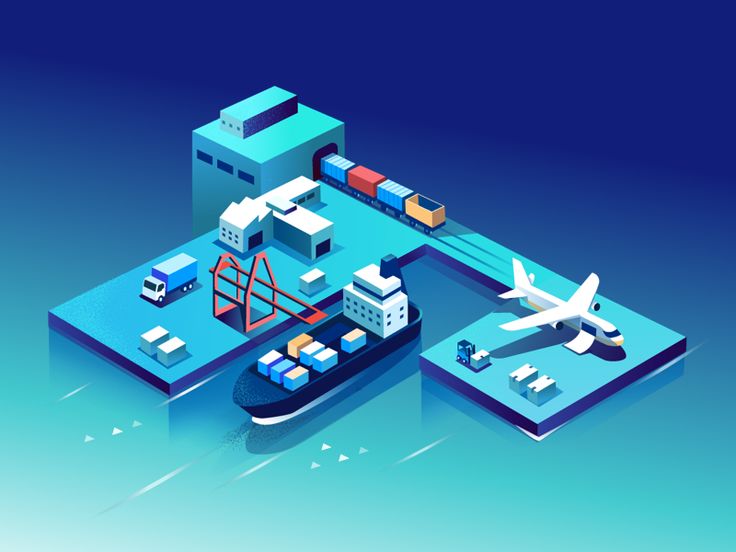
Transportation forms the backbone of the distribution business. It involves moving goods through air, land, or sea using trucks, trains, cargo ships, or airplanes. The challenge lies in minimizing delivery times and costs while ensuring reliability.
Companies invest heavily in route optimization, fleet management systems, and real-time tracking technologies. With global trade expanding, international logistics partners like DHL, FedEx, and Maersk play a crucial role in connecting businesses across continents.
5. Distribution and Customer Fulfillment
The final step of the supply chain business is delivering the finished product to customers. Whether through retail stores or direct-to-consumer e-commerce, this stage defines customer satisfaction.
Efficient last-mile delivery, responsive customer service, and accurate order tracking make the difference between success and failure. The rise of e-commerce giants like Amazon has completely redefined customer expectations — making speed and transparency key competitive advantages.
Why the Supply Chain Business Matters
The supply chain business is not just about moving goods; it’s about creating value. A well-optimized supply chain improves efficiency, reduces operational costs, enhances customer satisfaction, and gives businesses a significant edge in competitive markets.
Here’s why it’s so critical:
- Cost Reduction: By streamlining procurement, manufacturing, and logistics, companies can cut unnecessary expenses and boost profit margins.
- Speed and Efficiency: Optimized supply chains enable faster time-to-market, helping businesses stay ahead of competitors.
- Risk Management: Strong supply chain systems help companies navigate disruptions such as political instability, pandemics, or natural disasters.
- Sustainability: Many modern supply chain businesses focus on reducing carbon footprints and adopting green logistics.
- Global Reach: A well-connected supply chain allows even small companies to operate on a global scale, accessing markets worldwide.
In short, the supply chain business acts as the foundation of modern commerce, without which industries would collapse under inefficiency and uncertainty.
Challenges in the Supply Chain Business
Despite its importance, the supply chain business faces numerous challenges that test its resilience and adaptability.
- Supply Chain Disruptions: Events like the COVID-19 pandemic, geopolitical tensions, or shipping crises have exposed the fragility of global supply networks.
- Rising Costs: Inflation, fuel price hikes, and labor shortages increase operational expenses.
- Demand Volatility: Rapid changes in consumer behavior make demand forecasting increasingly difficult.
- Sustainability Pressure: Companies face growing pressure to minimize environmental impact and source ethically.
- Cybersecurity Threats: As digital systems dominate supply chains, data breaches and cyberattacks pose serious risks.
Overcoming these challenges requires strategic planning, diversification of suppliers, and adoption of advanced technologies.
Technology Transforming the Supply Chain Business
Technology is the driving force behind the modern supply chain business. Companies are investing in digital transformation to gain better visibility, efficiency, and flexibility. Here are some technologies reshaping the industry:
- Artificial Intelligence (AI): AI algorithms optimize routes, forecast demand, and automate decision-making, making supply chains more agile and intelligent.
- Blockchain: Enhances transparency by recording every transaction and movement securely across the chain, reducing fraud and errors.
- Internet of Things (IoT): Sensors in warehouses, vehicles, and packages provide real-time tracking and data insights.
- Automation and Robotics: From smart warehouses to autonomous delivery drones, automation is reducing labor dependency and increasing accuracy.
- Big Data Analytics: Helps companies analyze massive data sets to identify inefficiencies, predict trends, and improve supply chain performance.
Together, these innovations are turning the supply chain business into a smarter, faster, and more sustainable ecosystem.
The Future of the Supply Chain Business
The future of the supply chain business will be shaped by flexibility, sustainability, and digital integration. Businesses will prioritize resilience — building supply chains that can adapt to sudden disruptions without breaking.
Key future trends include:
- Nearshoring and Reshoring: Companies moving production closer to home markets to reduce dependency on foreign suppliers.
- Sustainable Logistics: Electric trucks, renewable energy in warehouses, and eco-friendly packaging.
- AI-Driven Decision Making: Predictive analytics enabling smarter demand planning and inventory control.
- Hyper-Personalized Delivery: Tailoring delivery experiences based on customer preferences.
Ultimately, the companies that succeed will be those that view their supply chains not as costs but as strategic assets.
Conclusion
The supply chain business is the heart of modern commerce — a vast, intricate network that keeps the world’s economy running. It connects continents, fuels industries, and determines how efficiently goods move from creation to consumption.
As globalization accelerates and technology advances, the supply chain business is entering a new era — one defined by innovation, sustainability, and resilience. Whether it’s a multinational corporation or a small startup, mastering supply chain efficiency will be the key to long-term success.
In essence, the supply chain business isn’t just about logistics or operations; it’s about strategy, intelligence, and adaptability — the traits that define the most powerful businesses of tomorrow.
More DetailsOct 7, 2025
Supply chain business
If you want your website to show up at the top of Google search results, you need to master SEO optimization techniques. SEO (Search Engine Optimization) isn’t just about stuffing keywords into articles anymore—it’s about understanding how search engines think, what your audience needs, and how to create content that satisfies both. In 2025, SEO has become a mix of smart strategy, technical precision, and creative execution.
In this guide, we’ll break down the most effective SEO optimization techniques that actually work today—covering on-page SEO, off-page SEO, and technical SEO, along with the latest trends shaping search visibility.
1. Start With Intent-Based Keyword Research
Every successful SEO strategy begins with understanding user intent. Keywords alone don’t guarantee traffic—what matters is why people search those terms.
There are three main types of intent:
- Informational – users want knowledge (e.g., “how SEO optimization techniques work”)
- Navigational – users look for a specific brand or page (e.g., “Ahrefs login”)
- Transactional – users are ready to act or buy (e.g., “best SEO tool for agencies”)
Use tools like Google Keyword Planner, Ahrefs, or SEMrush to find relevant keywords with balanced search volume and competition. Focus on long-tail keywords (e.g., “best SEO optimization techniques for beginners”)—they have lower competition and higher conversion rates.
2. On-Page SEO Optimization Techniques for Maximum Visibility
On-page SEO is about making every page search-engine friendly. Here are the essential SEO optimization techniques for on-page success:
a. Title Tags
Your title tag should include your primary keyword and attract clicks.
Example: “10 Proven SEO Optimization Techniques to Skyrocket Your Rankings.”
b. Meta Descriptions
Write clear, compelling descriptions that summarize your content in 150–160 characters. Include your target keyword naturally.
c. Significance of headings and sub-headings in SEO optimization techniques
Structure your article with H1, H2, and H3 tags. Use variations of your keyword in them. This not only improves readability but also helps Google understand your content hierarchy.
d. Keyword Placement
Place your main keyword within:
- The first 100 words
- At least one subheading
- The conclusion
But avoid keyword stuffing—it signals spam to Google.
e. Image Optimization
Compress images and include descriptive alt text with relevant keywords. Search engines can’t “see” images—they rely on alt text to understand what they represent.
3. High-Quality Content: The Core of Modern SEO Optimization Techniques
Google’s algorithm increasingly favors E-E-A-T—Experience, Expertise, Authoritativeness, and Trustworthiness. To rank well, your content should:
- Provide real value and practical insights.
- Be updated regularly to stay relevant.
- Cite credible sources or personal experience.
- Maintain clear structure and readability (short paragraphs, bullet points, and visuals).
Write for humans first, and optimize for search engines second. If your readers spend more time on your page, interact with your content, or share it, those engagement signals boost your ranking.
4. Internal Linking SEO Optimization Techniques
Internal links guide both users and search engines through your site. They help Google discover new pages and understand which ones are most important.
Here’s how to use this SEO optimization technique effectively:
- Link from high-authority pages to newer ones.
- Use descriptive anchor text (avoid “click here”).
- Keep navigation logical—each page should be reachable within three clicks.
Internal linking also reduces bounce rates and encourages visitors to explore more of your website.
5. Build Quality Backlinks
Backlinks—links from other sites to yours—remain one of Google’s strongest ranking signals. But quality matters more than quantity.
Effective backlink SEO optimization techniques include:
- Guest posting on reputable sites.
- Creating data-driven or original research content that earns natural links.
- Engaging in digital PR—press releases or collaborations that get you mentioned by authority sites.
- Broken link building—find broken links on other sites and suggest your page as a replacement.
Avoid buying backlinks or using link farms; Google’s algorithms are smart enough to detect manipulative link-building practices.
6. Optimize for Mobile and Page Speed
More than 60% of searches now come from mobile devices. If your site isn’t optimized for mobile, your rankings will suffer.
Run a mobile-friendly test using Google’s tools and ensure your website:
- Loads in under 3 seconds. (Example : SEO enhancing techniques)
- Has readable text without zooming.
- Features clickable buttons spaced properly.
Also, use tools like Google PageSpeed Insights or GTmetrix to measure your site’s performance. Compress images, use caching, and minimize JavaScript and CSS files to speed up loading times.
7. Master Technical SEO
Technical SEO deals with how search engines crawl and index your site. Even perfect content can fail to rank if your technical setup is weak.
Focus on:
- XML Sitemaps – help Google find your pages easily.
- Robots.txt – ensure it doesn’t block important pages.
- Canonical Tags – prevent duplicate content issues.
- HTTPS Security – Google prefers secure sites.
- Structured Data (Schema Markup) – helps Google display rich snippets (like ratings, FAQs, or event details).
When done correctly, these technical SEO optimization techniques create a strong foundation for long-term ranking stability.
8. Leverage User Experience (UX)
Search engines now analyze behavioral signals—how users interact with your site. A high bounce rate, poor design, or confusing layout can hurt your rankings.
Enhance user experience by:
- Keeping the layout clean and intuitive.
- Using readable fonts and adequate spacing.
- Adding engaging visuals, charts, and infographics.
- Making CTAs (calls-to-action) visible and relevant.
Remember, the longer users stay, the better your SEO metrics look.
9. Create Topic Clusters Instead of Isolated Pages
Modern SEO is moving from single keyword pages to topic clusters—a strategy where you create a “pillar page” covering a broad topic and link related subtopics to it.
For example:
- Pillar: SEO Optimization Techniques
- Cluster articles: On-page SEO tips, Backlink strategies, Keyword research tools, etc.
This structure signals to Google that your website covers a topic comprehensively, improving authority and ranking potential.
10. Track and Measure Your SEO Performance
No SEO optimization technique is complete without proper tracking. Use these tools:
- Google Analytics – to monitor traffic and engagement.
- Google Search Console – to see how your site appears in searches and detect indexing issues.
- Ahrefs / SEMrush – to track keyword rankings and backlinks.
Review metrics monthly. If something’s not working—low CTR, high bounce rate, or declining keyword positions—tweak your content and strategy accordingly.
11. Stay Updated with SEO Trends
SEO is dynamic—what works today might not work tomorrow. AI-driven search updates, voice search, and personalized results are reshaping how SEO works. Keep learning and adapting.
Some emerging SEO optimization techniques for 2025 include:
- Optimizing for voice search (use conversational keywords).
- Creating AI-friendly content (clear, structured answers).
- Leveraging video SEO through YouTube and embedded media.
- Prioritizing Core Web Vitals (page speed, stability, interactivity).
Final Thoughts
SEO is not about tricking Google—it’s about aligning with its mission: to deliver the best possible user experience. When you focus on relevance, quality, and performance, rankings naturally follow.
Mastering these SEO optimization techniques requires consistency, experimentation, and patience. But if you stick with them, you’ll build a website that not only ranks higher but also earns genuine trust from readers and customers alike.
More Details
Aug 27, 2025
SEO optimization techniques
Welcome to WordPress. This is your first post. Edit or delete it, then start writing!
More Details